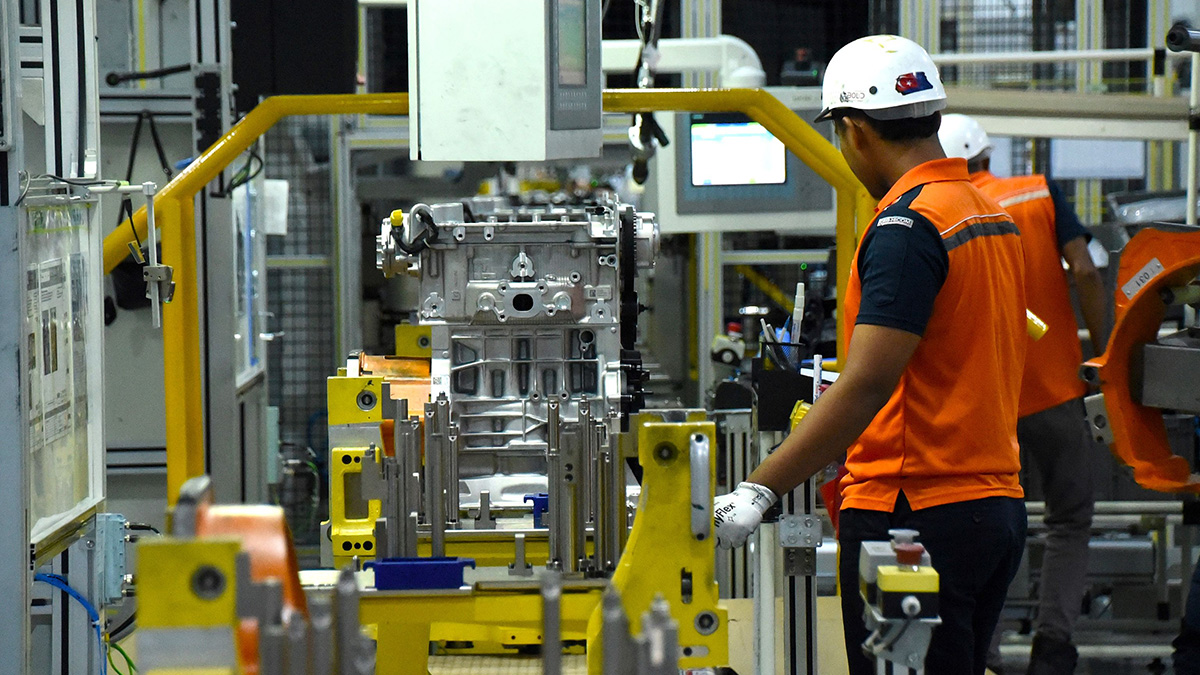
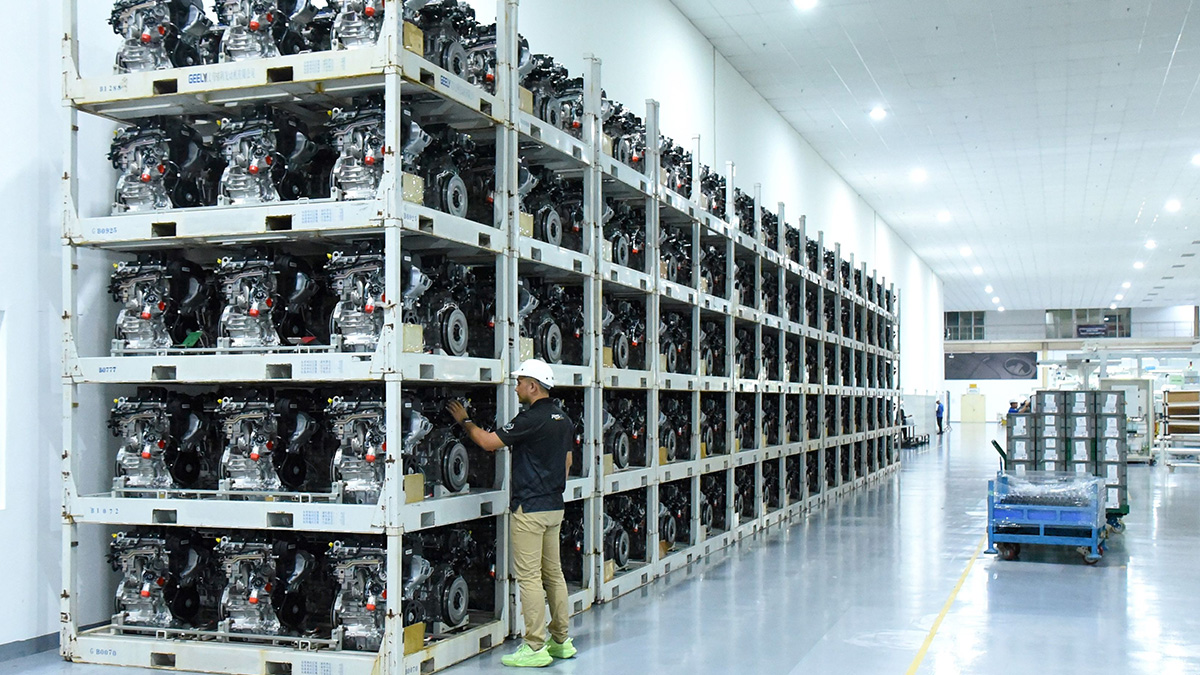
The Proton engine assembly plant in Tanjong Malim, which opened in 2022 with an investment of up to RM1.8 billion, is set to be a key driver of the national carmaker’s future growth. The plant has undergone an RM121 million expansion, which will enable the plant to also produce Dedicated Hybrid Engines (DHEs) and Dedicated Hybrid Transmissions (DHTs) for hybrid and plug-in hybrid vehicles, as well as Electric Drive Units (EDUs) for electric vehicles.
At present, the facility is designed to produce up to 240,000 engines per year. However, Proton is targeting sales of 200,000 vehicles this year, leaving only around 40,000 units of spare capacity. That is not much additional headroom, especially if production increases, exports grow, or supply disruptions occur. The DHEs, DHTs, and EDUs are currently sourced from China, but this breathing room will diminish once local production begins.
On top of that, the plant already produces components used in Geely-related vehicles exported to countries such as Vietnam, South Africa, and Mexico. The planned export of the Proton Saga to the Philippines under a Geely badge also means the facility will need to produce engines for export vehicles, not just Proton’s Malaysian sales.
To support future products and growing export demand, Proton plans to raise the plant’s annual capacity to 400,000 units by 2028 — almost double the number of engines the facility was initially designed to produce. This will enable it to support future Proton models, produce engines for export markets, and further strengthen Malaysia’s position as a regional automotive manufacturing and technology hub.
The planned expansion of the engine assembly plant in Tanjong Malim aligns with Proton’s ambition to become Malaysia’s best-selling car brand by 2029. To overtake current market leader Perodua, Proton will need to achieve sales volumes close to that figure. The expected Proton Saga Cross, built on the Advanced Modular Architecture (AMA02) and possibly paired with the FutureMotion HEV powertrain, is set to rival models such as the Perodua Ativa and could be an important first step towards that goal.