Ferrari has unveiled its anticipated fully electric model, the Ferrari Luce, at the Vela di Calatrava – Città dello Sport in Rome, marking the beginning of a new chapter for Ferrari, some 79 years after the marque’s first-ever victory at the Gran Premio di Roma with the Ferrari 125 S.
The Ferrari Luce is the first electric Ferrari from the Maranello marque, with its design approached unconventionally. Ferrari collaborated with design firm LoveFrom, led by Jony Ive and Marc Newson, to shape both the exterior and interior together with Ferrari Design Studio, led by Flavio Manzoni. This collaboration allowed for a cross-pollination of ideas and perspectives in designing the Ferrari Luce.
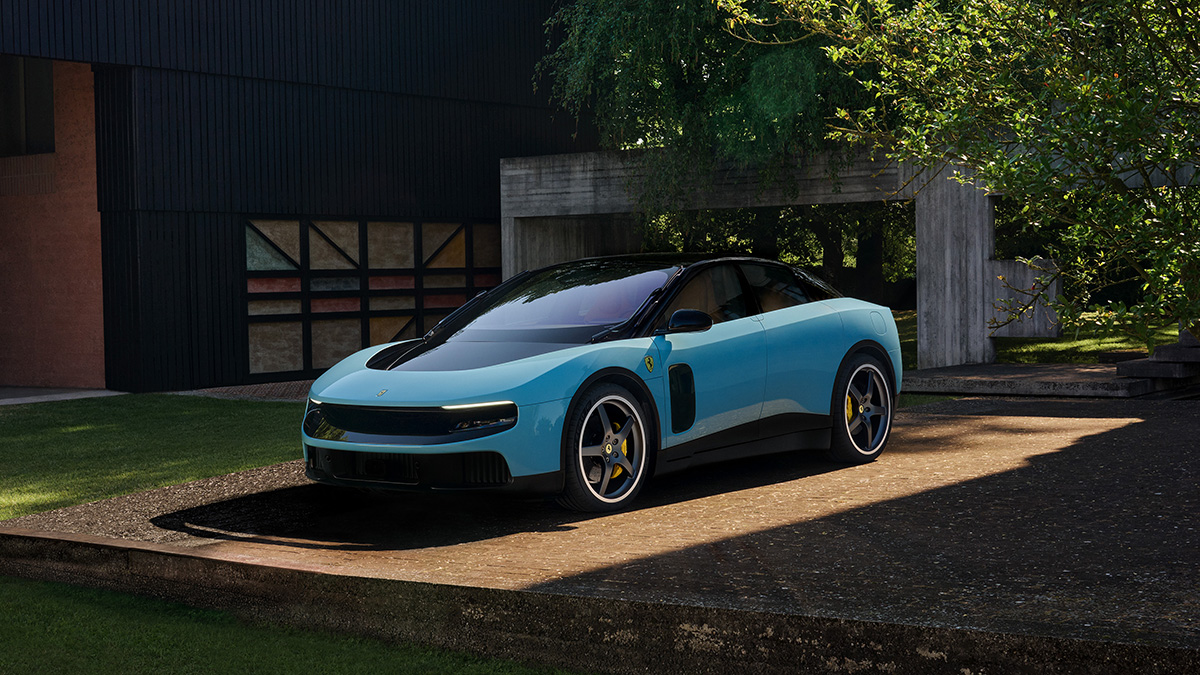
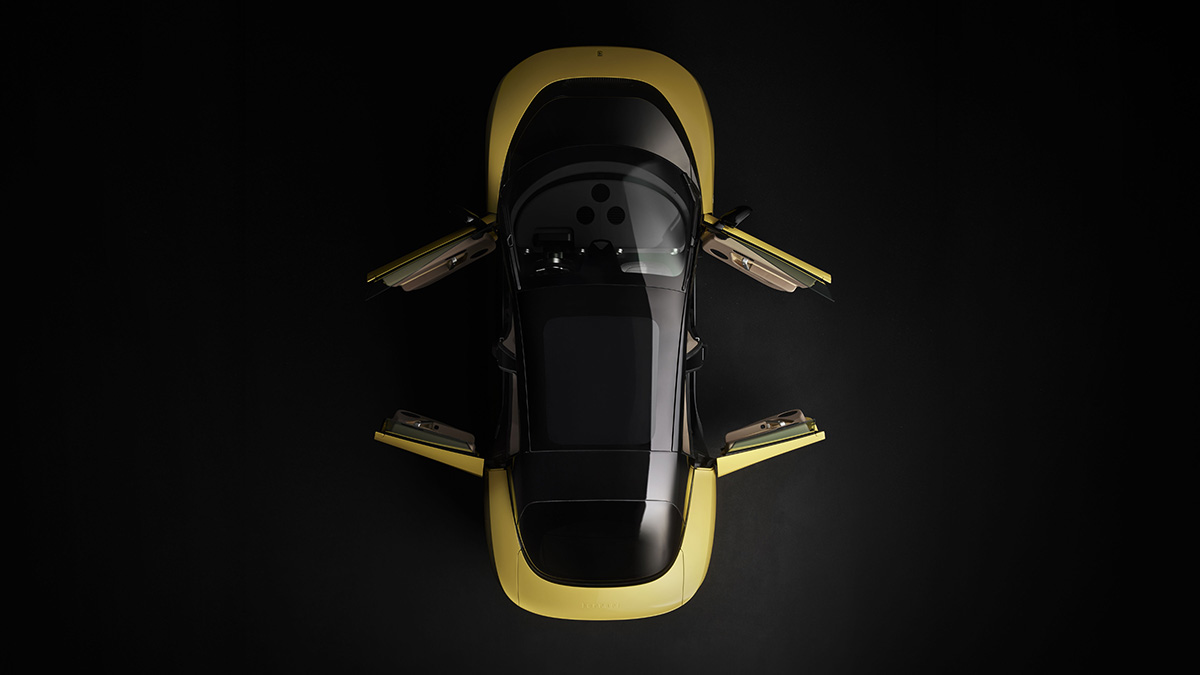
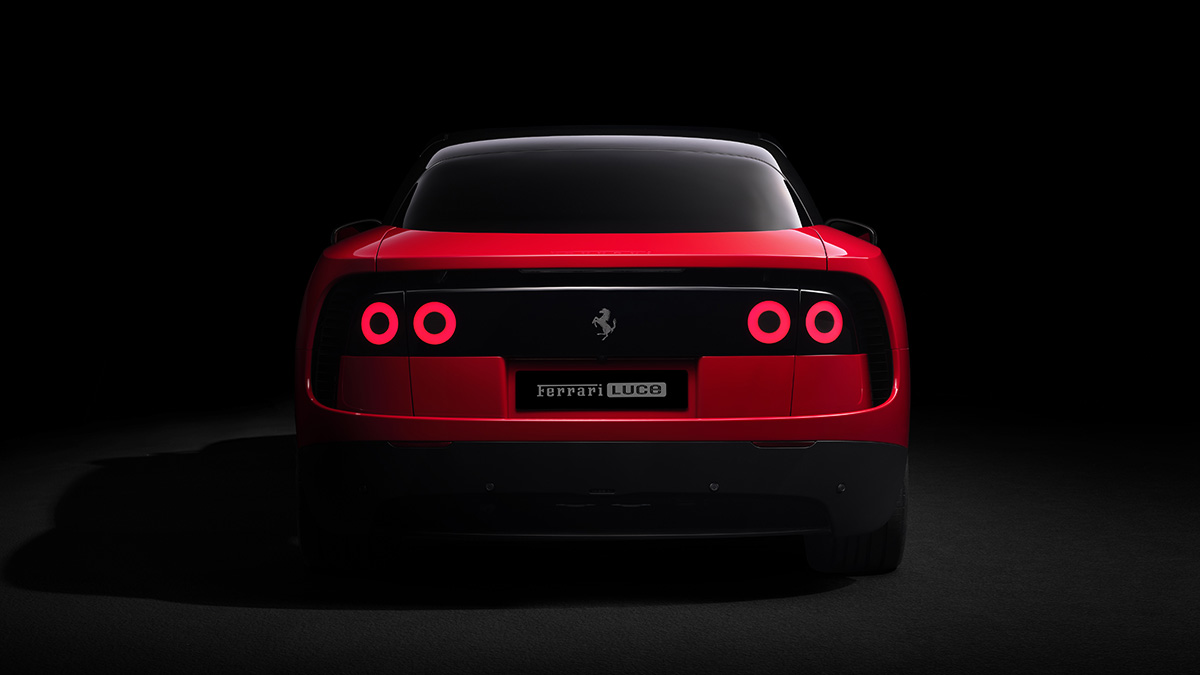
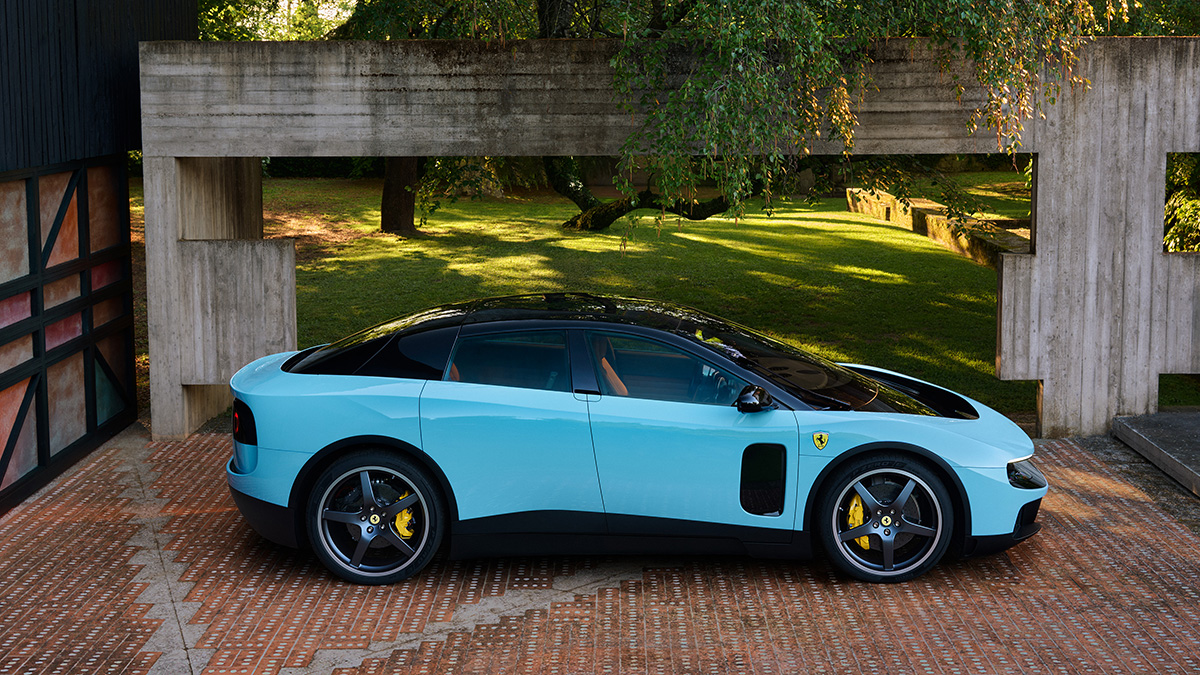
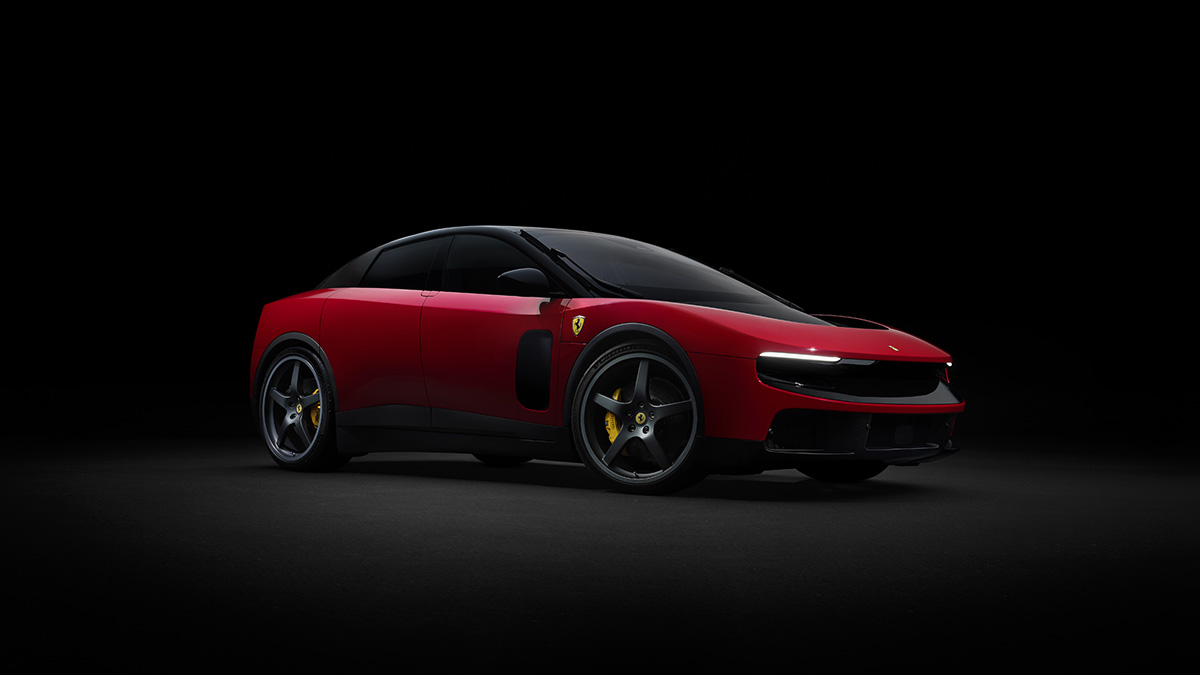
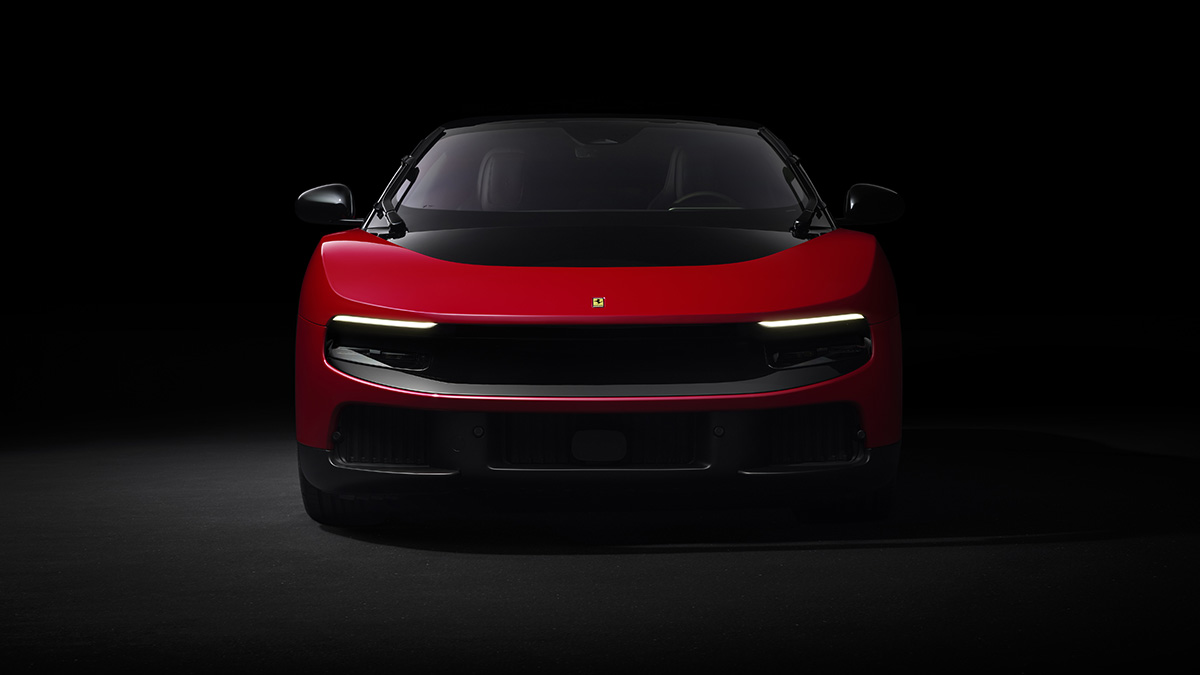
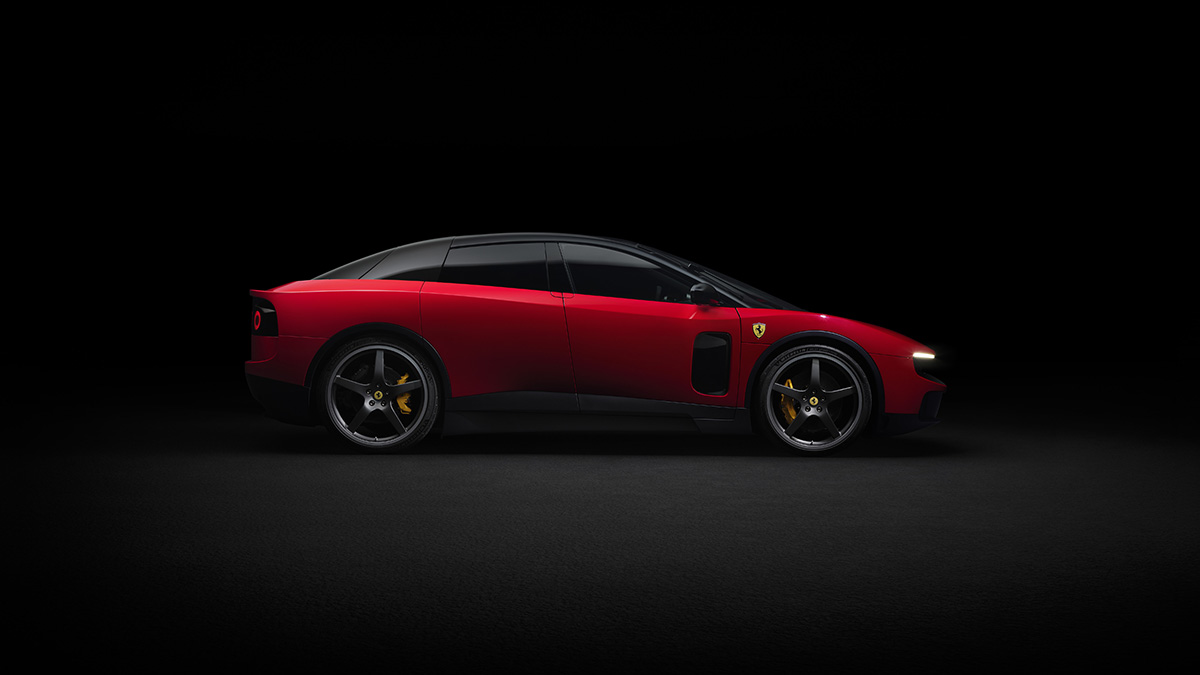
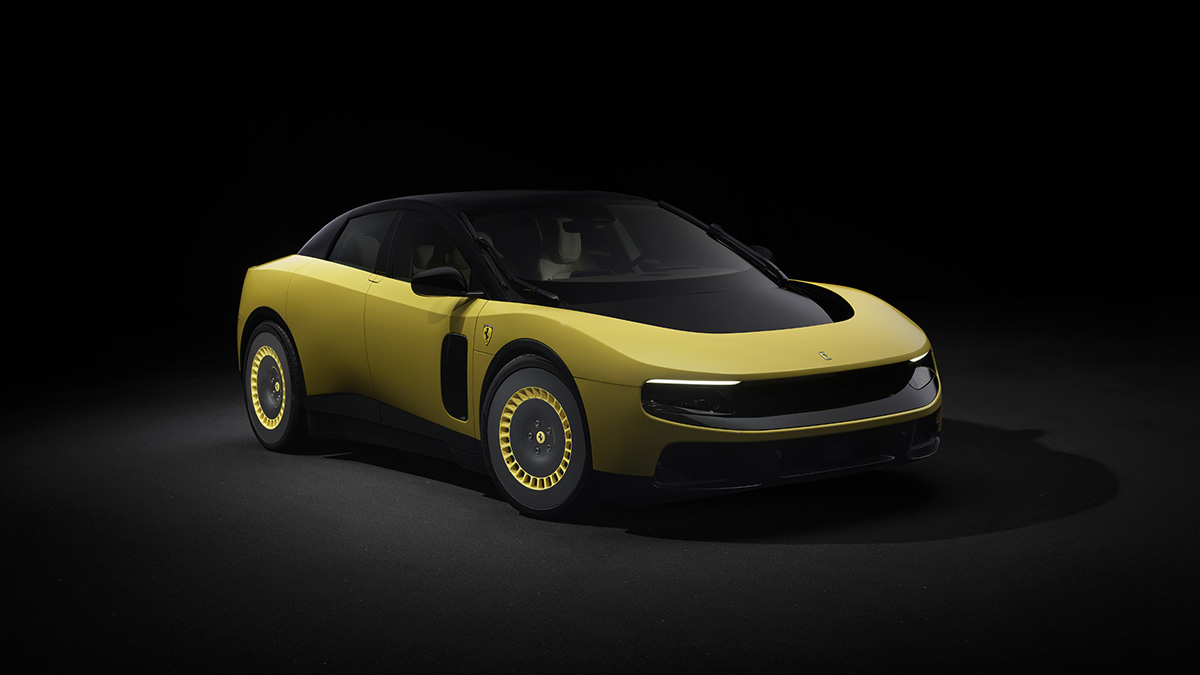
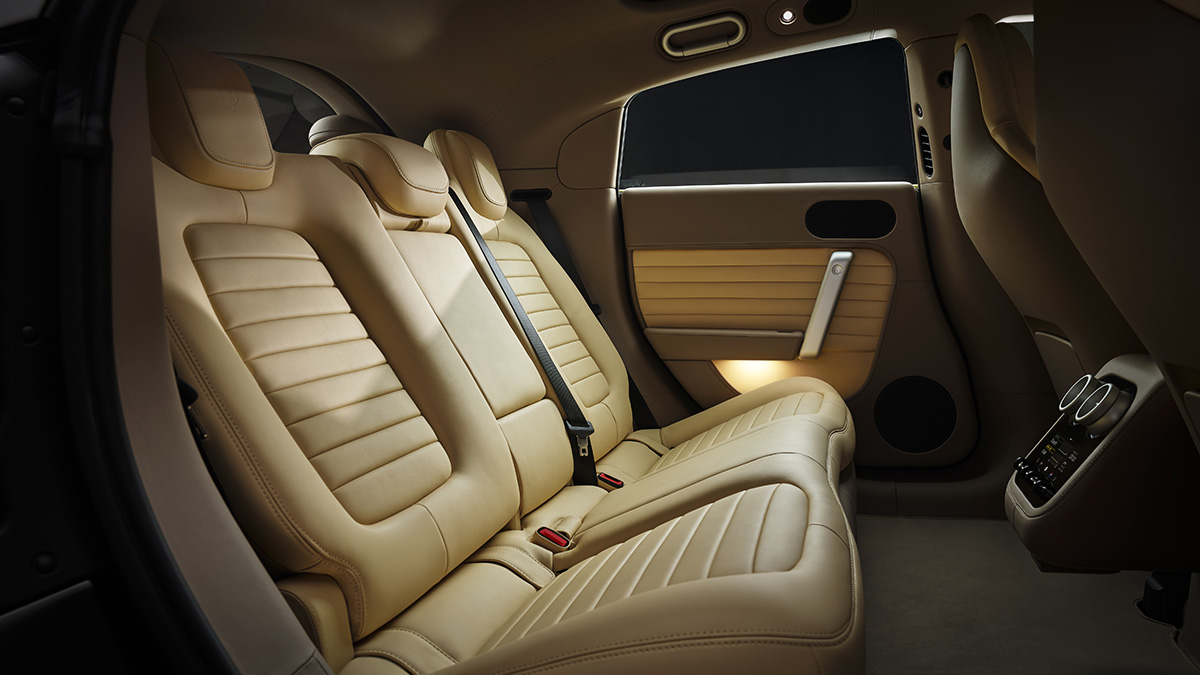
The defining exterior design of the Ferrari Luce is its suicide four-door layout with five seats, made possible by the absence of a propeller shaft and rear transmission case beneath the undercarriage. The front and rear lights sit beneath a clear panel, while the floating front and rear wings extend above and around the shape of the glasshouse. The windscreen wipers rest upright against the A-pillars to improve aerodynamic flow and reduce drag. The halo taillights pay homage to those found on the Ferrari 360 Modena and the Ferrari 458 Italia.
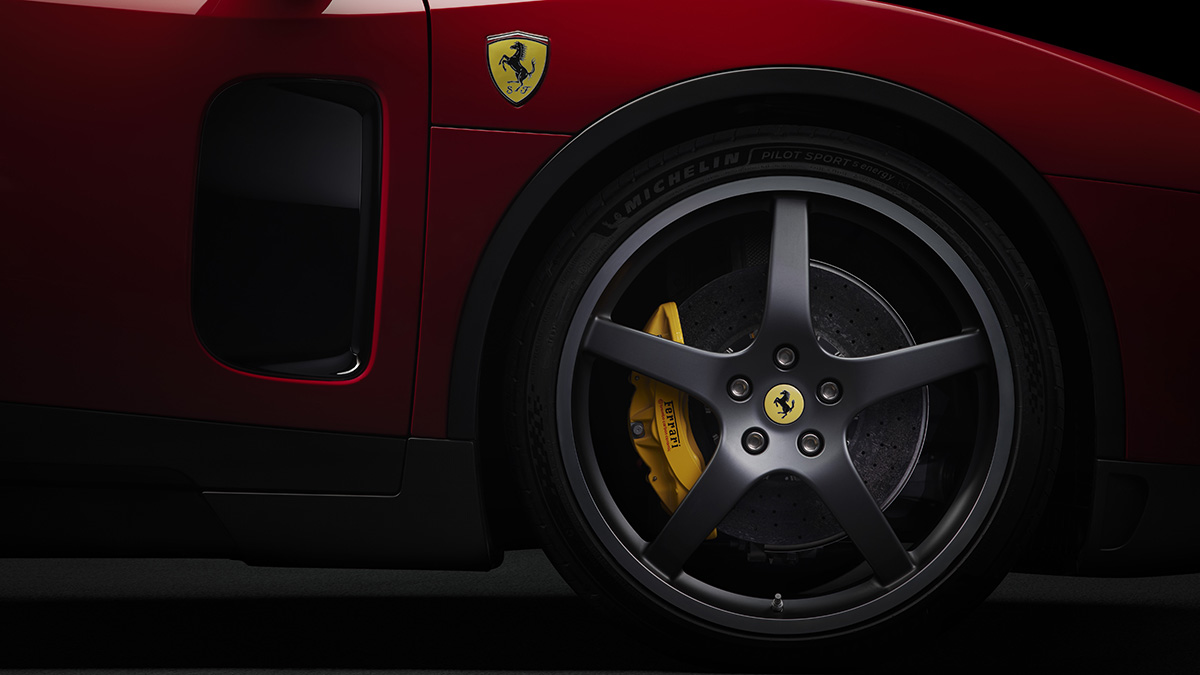
The staggered wheel setup, consisting of 23-inch front wheels and 24-inch rear wheels, makes the Ferrari Luce the Ferrari road car with the largest staggered wheel diameters in series production. Two-wheel designs are offered: a forged open five-spoke design and an aerodynamic turbine design. Launch colours for the Ferrari Luce include Azzurro la Plata, Giallo Luce, Rosso Dino, Bianco Artico, and Rosso Fiammante.
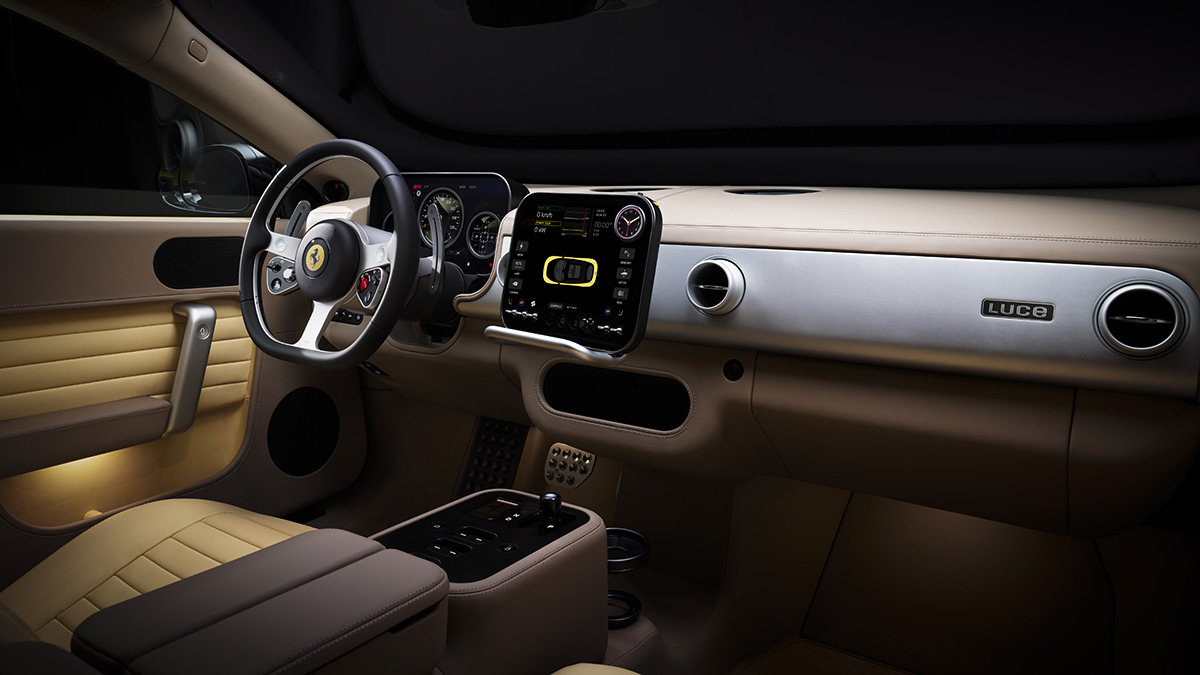
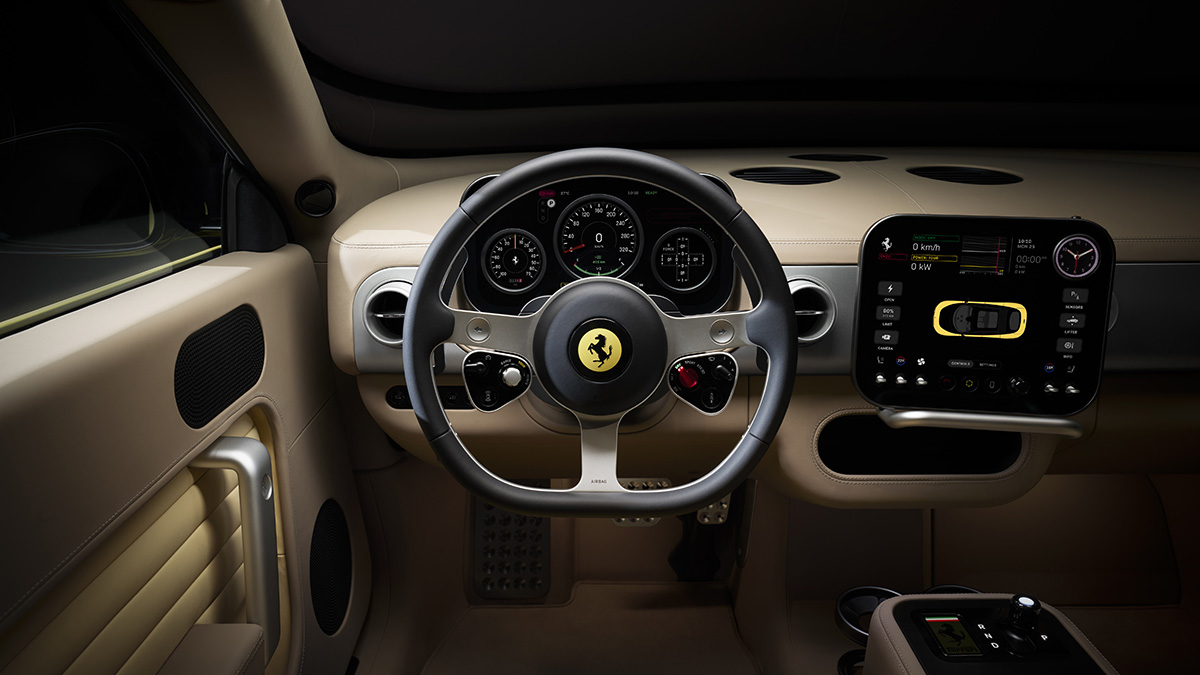
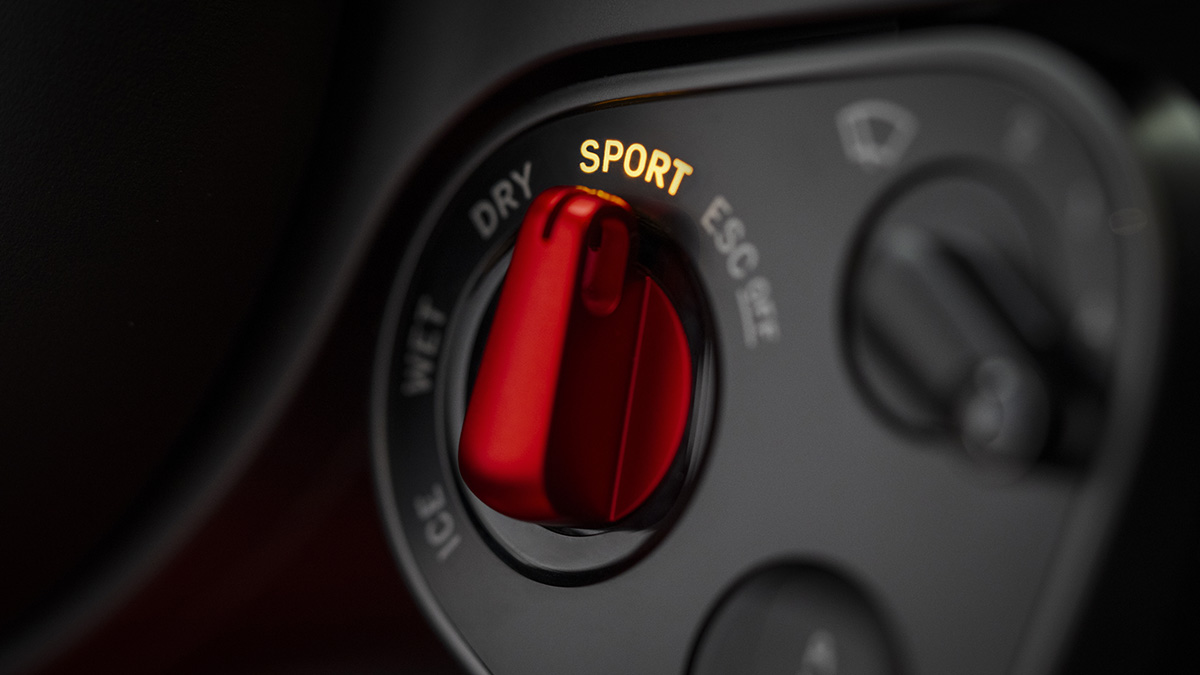
The interior is designed with mechanical buttons, dials, toggles, and switches combined with multifunction displays, blending modernity with ease of accessibility. The three-spoke steering wheel is machined from 100% recycled aluminium and is equipped with physical switches and knobs. The e-Manettino knobs manage energy usage and range by optimising power flow throughout the system. Behind the steering wheel are two pedals: the right pedal allows five-step torque modulation to simulate gear shifts during acceleration, while the left pedal enables five-step regenerative braking adjustment for energy recovery.
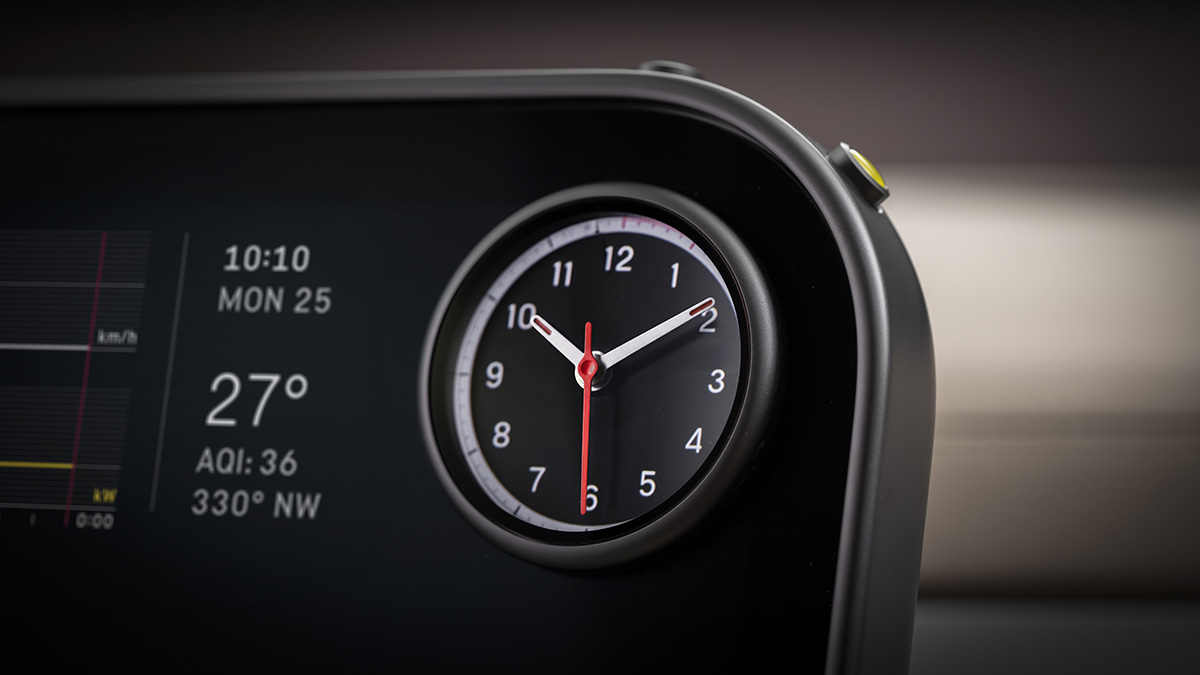
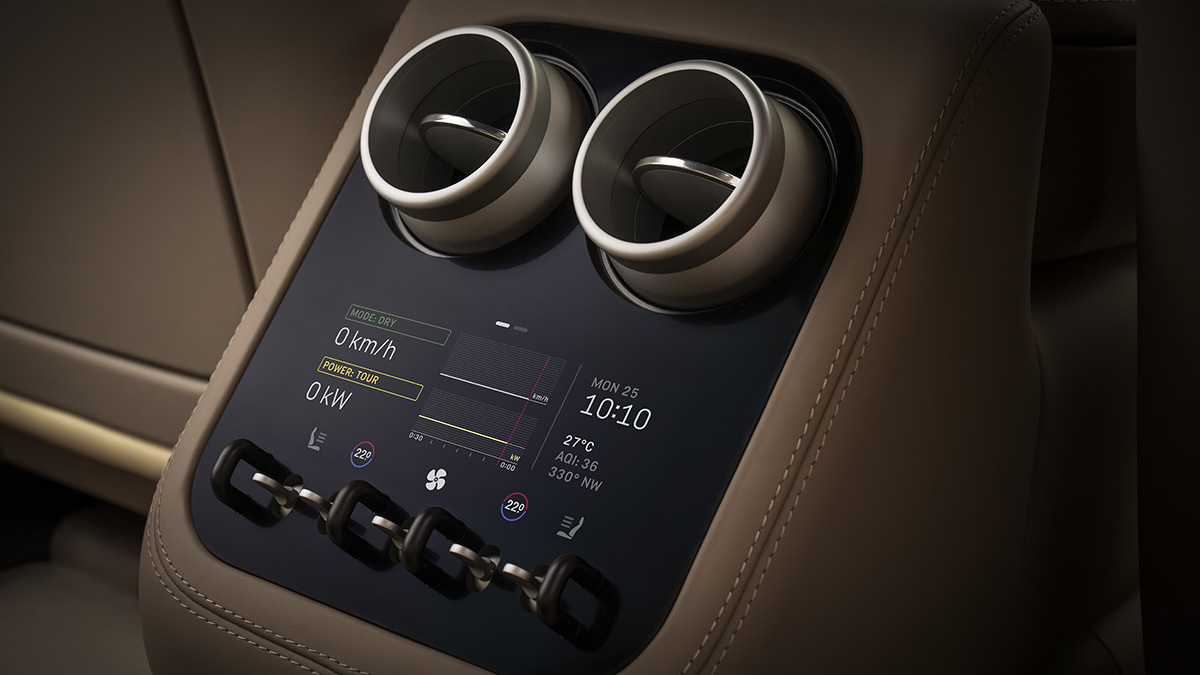
At the centre is a control panel that can pivot towards either the driver or front passenger, housing an OLED screen and the multifunctional Multigraph, which displays the clock, compass, or a 60-second stopwatch. The centre console consists of the key holder, shifter, armrests, storage compartments, and controls for the rear cabin.
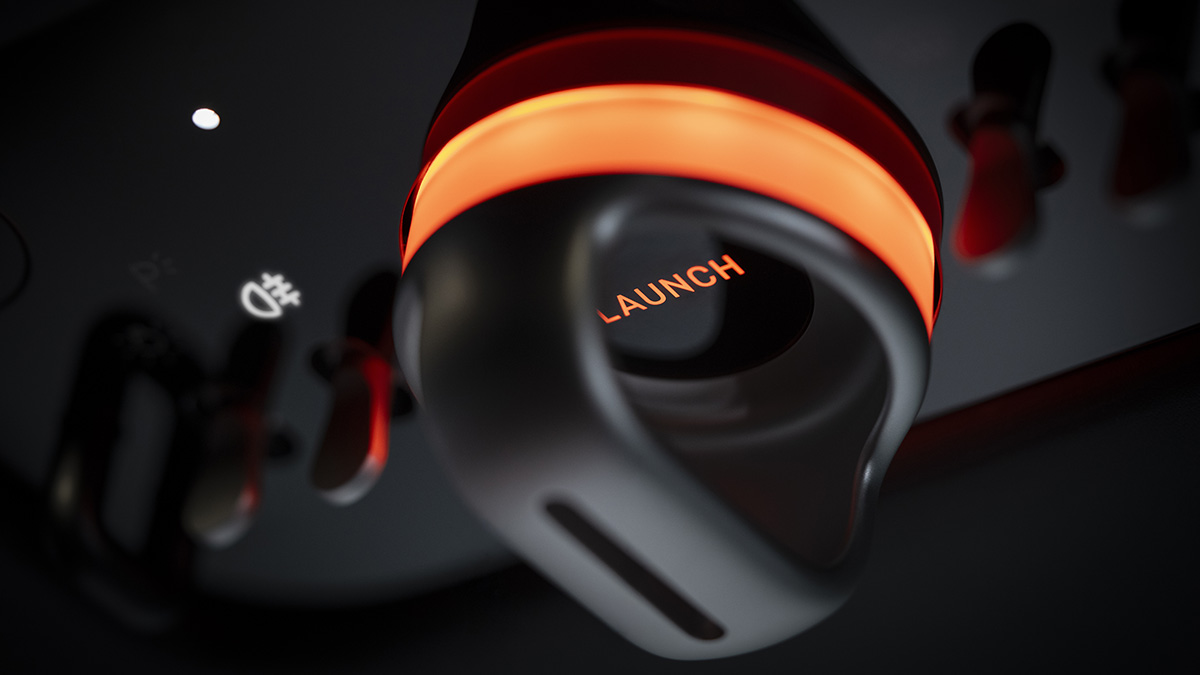
In terms of powertrain, the Ferrari Luce is built on an 800-volt architecture and features four electric motors, with two motors on each axle. The front motors produce 282 PS, while the rear motors produce 831 PS, making it a rear-biased AWD EV. Ferrari claims a 0–100 km/h time of 2.5 seconds and a top speed of 310 km/h, despite the vehicle weighing 2,260 kg. A launch mode, activated via a switch located on the overhead console, provides an additional 54 PS.
The electric motors are powered by a 122-kWh battery pack, which also serves as a structural component of the chassis. The 800-volt architecture supports charging speeds of up to 350 kW, enabling an estimated WLTP range of 531 km. The Ferrari Luce also features four-wheel steering and active suspension derived from the Ferrari F80. All battery components are proudly manufactured by Ferrari.
One of the highlights of the Ferrari Luce is its patented sound design, which captures sound from inside the rear axle, processes it, and amplifies it within the cabin. Through the e-Manettino dial, selecting “Perfo” delivers maximum aural feedback, “Tour” provides a balanced sound profile, and “Range” offers the quietest experience.
The Ferrari Luce carries a price tag of 550,000 euros in Europe, equivalent to roughly RM2.54 million, and is set to go on sale later this year in Europe. Deliveries in the United States are expected to begin in the second quarter of 2027, although official pricing for the market has yet to be announced.