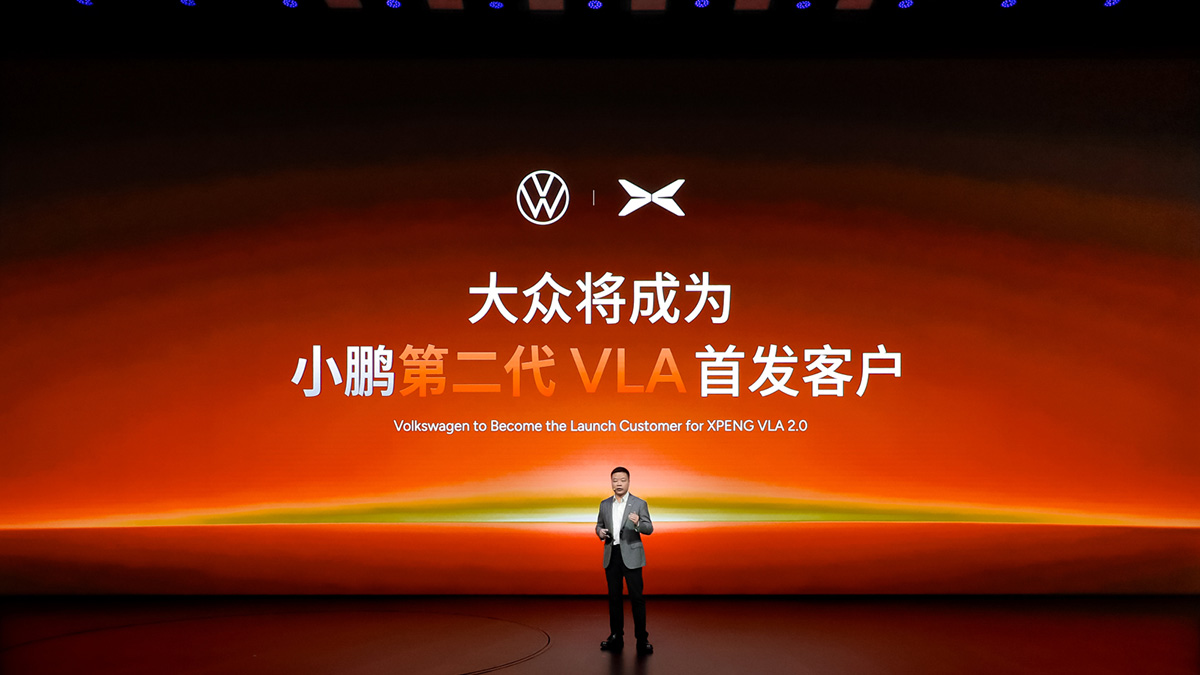
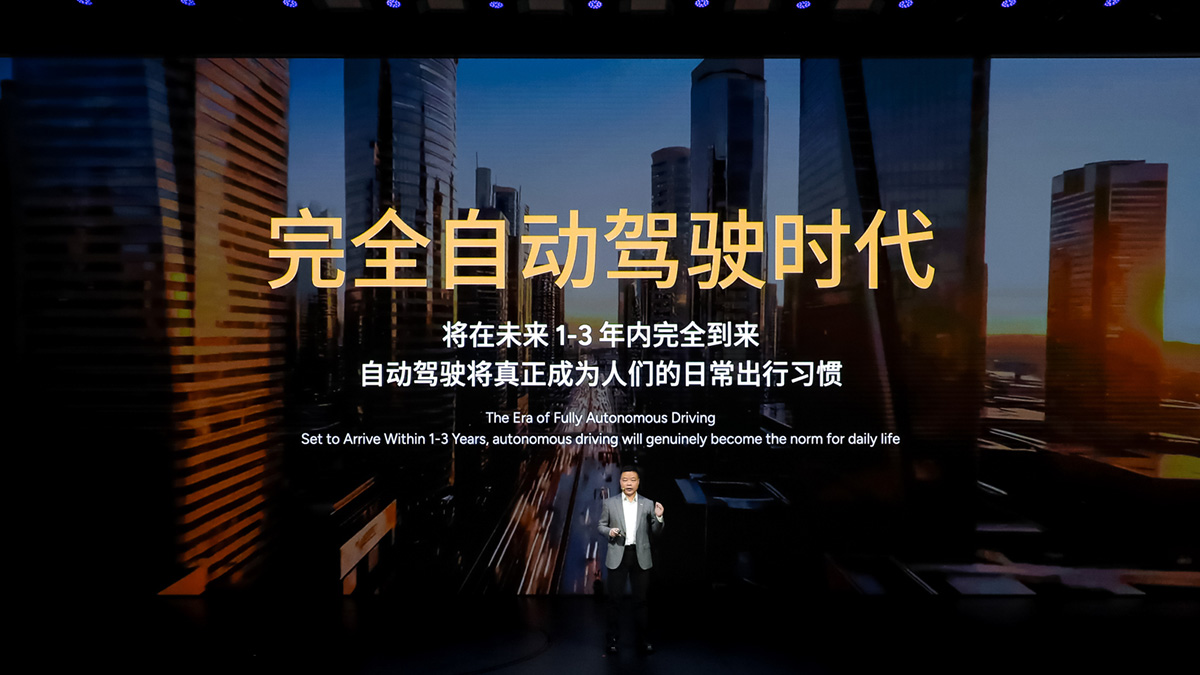
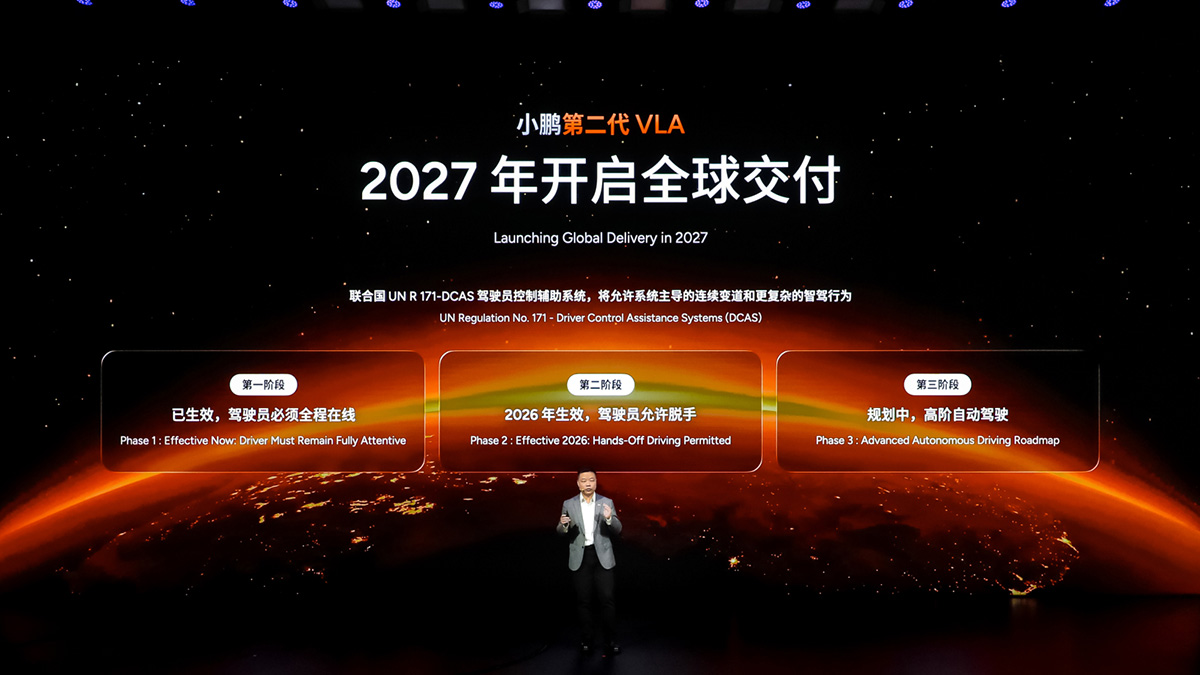
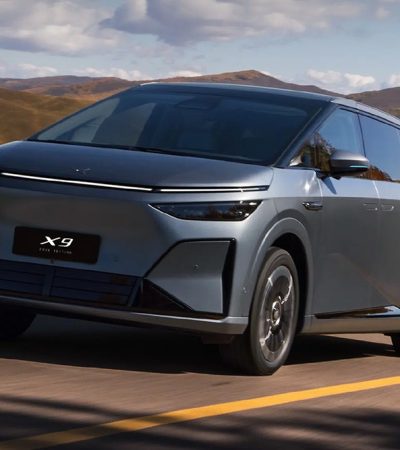
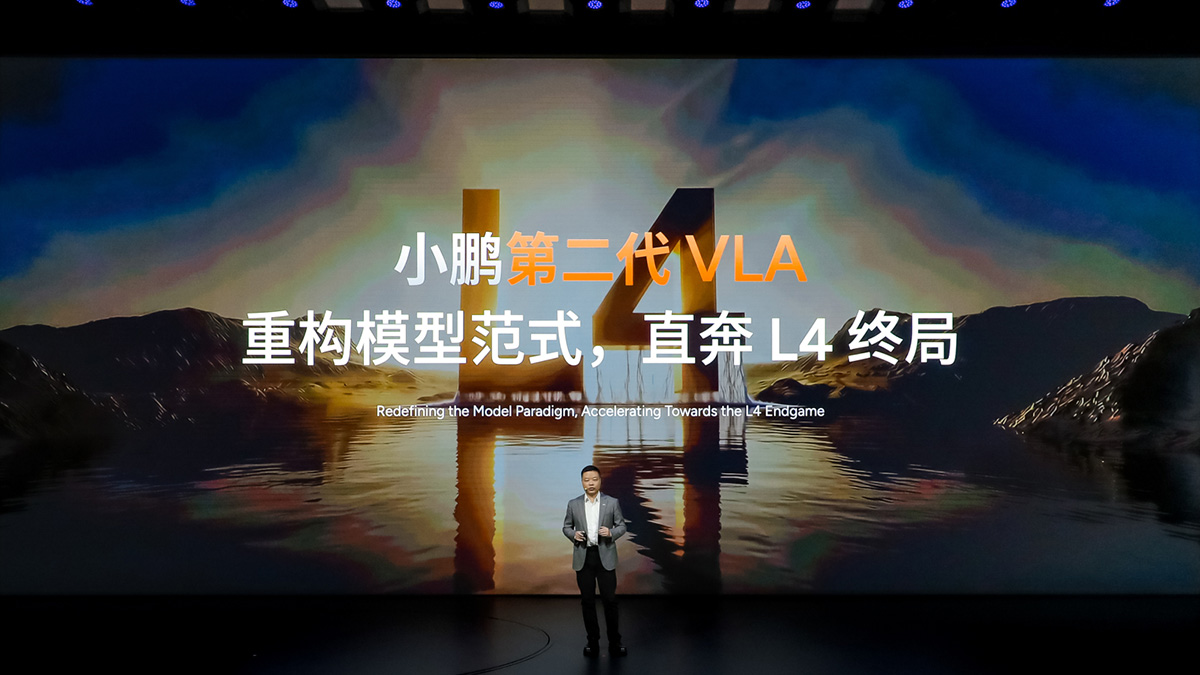
Xpeng launched its Vision Language Action 2.0 (VLA 2.0) system in China. The VLA 2.0 is a second-generation, large-scale, end-to-end “Physical AI” autonomous driving model. It is a full self-driving software, allowing Xpeng vehicles to drive autonomously without human or driver intervention, equivalent to L4 autonomous driving. Volkswagen is set to become the first customer to utilise the VLA 2.0 Smart Driving outside of Xpeng vehicles, albeit only in China. Xpeng expects to deliver the VLA 2.0 Smart Driving globally in 2027.
During the recent global livestream, Xpeng Chairman and CEO, He Xiaopeng, stated that in his experience, most people didn’t gravitate towards past L2 autonomous driving not because they didn’t trust the vehicle or software capabilities, but instead were afraid, especially during complicated road situations. Xpeng then developed the VLA 2.0 Smart Driving with three major experiential upgrades: being highly efficient, capable of any scenario, seamless, and reassuring.
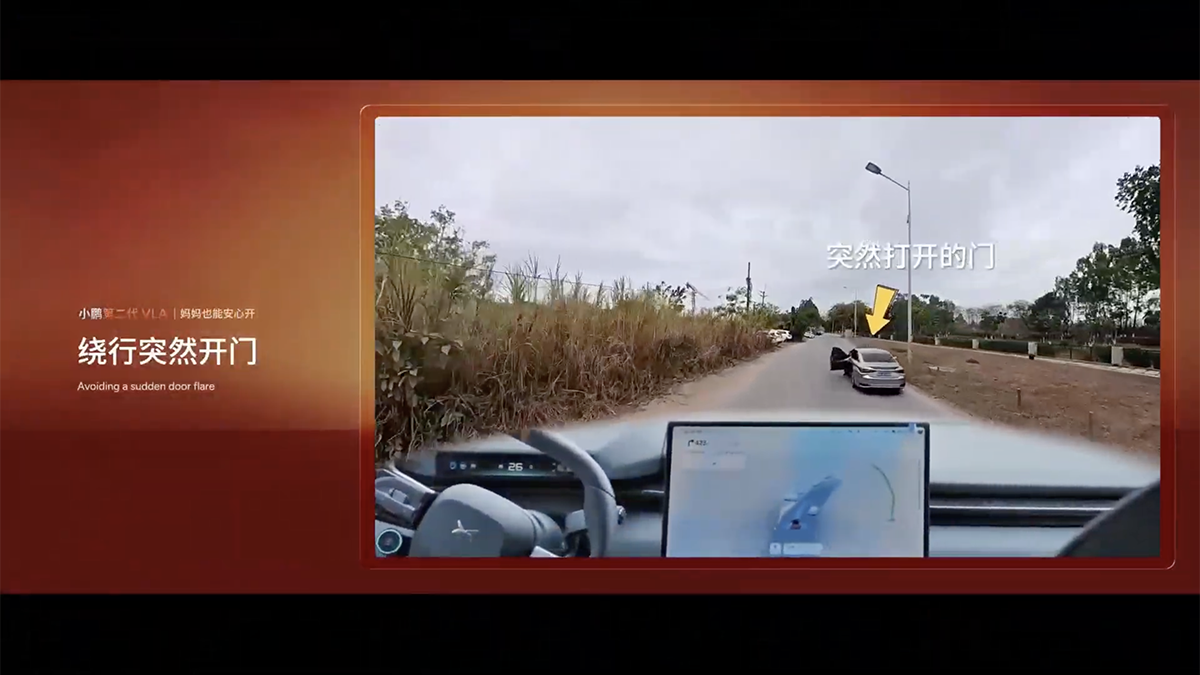
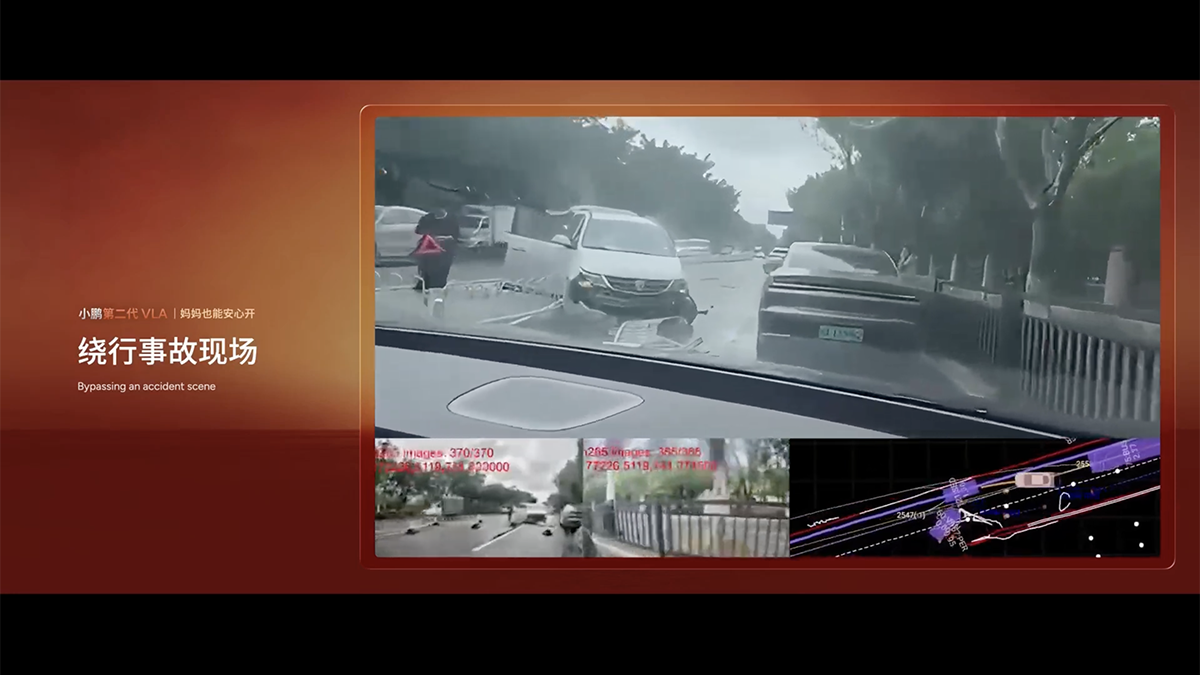
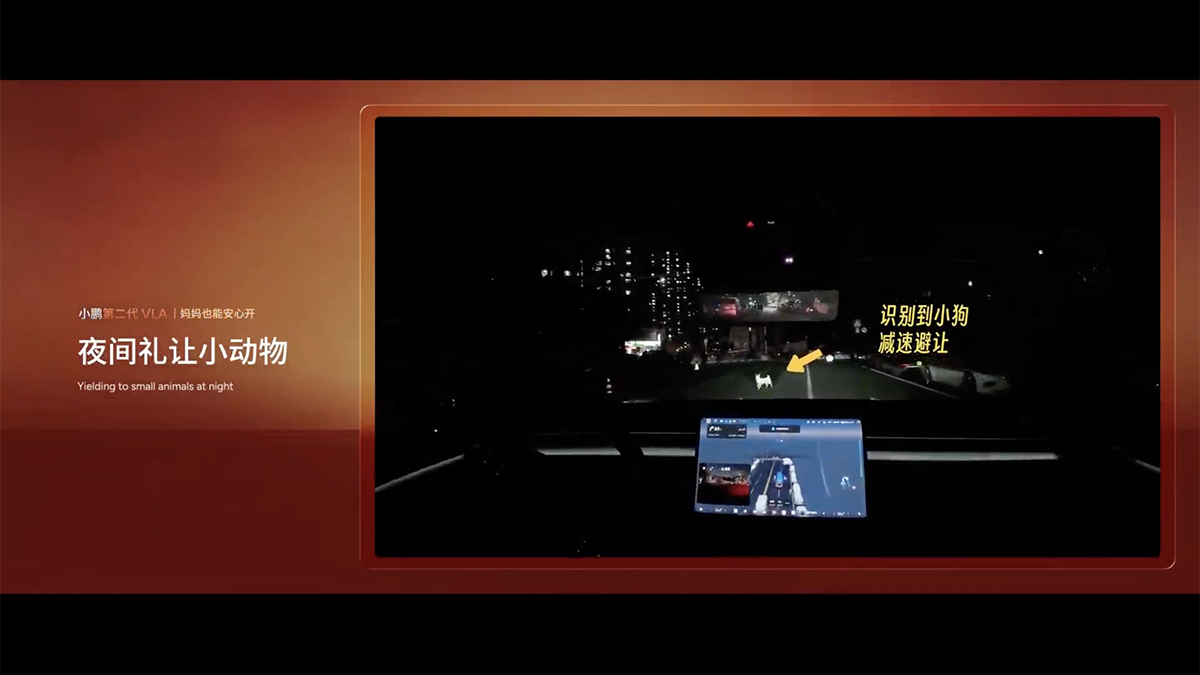
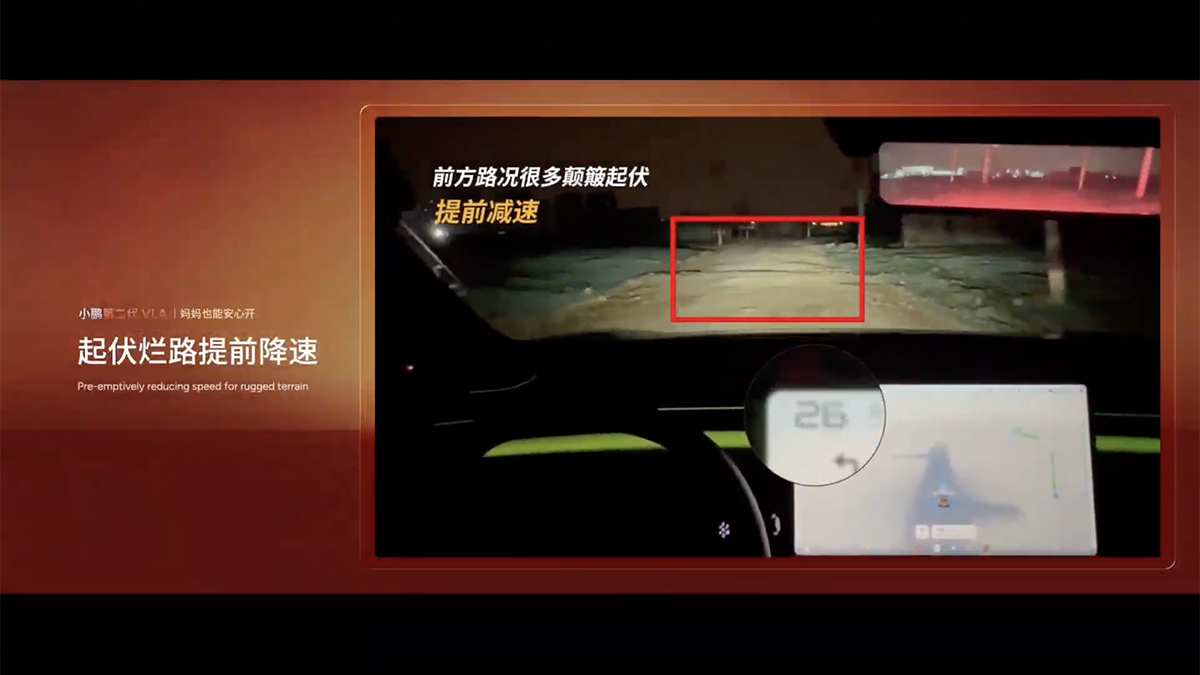
He Xiaopeng presented several situations that L2 autonomous driving would be incapable of reacting to, which are to avoid a sudden opening door from another stationary vehicle, bypassing an accident scene, reducing vehicle speed on rugged road terrain, detecting pedestrians in dark clothing at night, and yielding to small animals at night. All of which the VLA 2.0 Smart Driving can process and react accordingly.
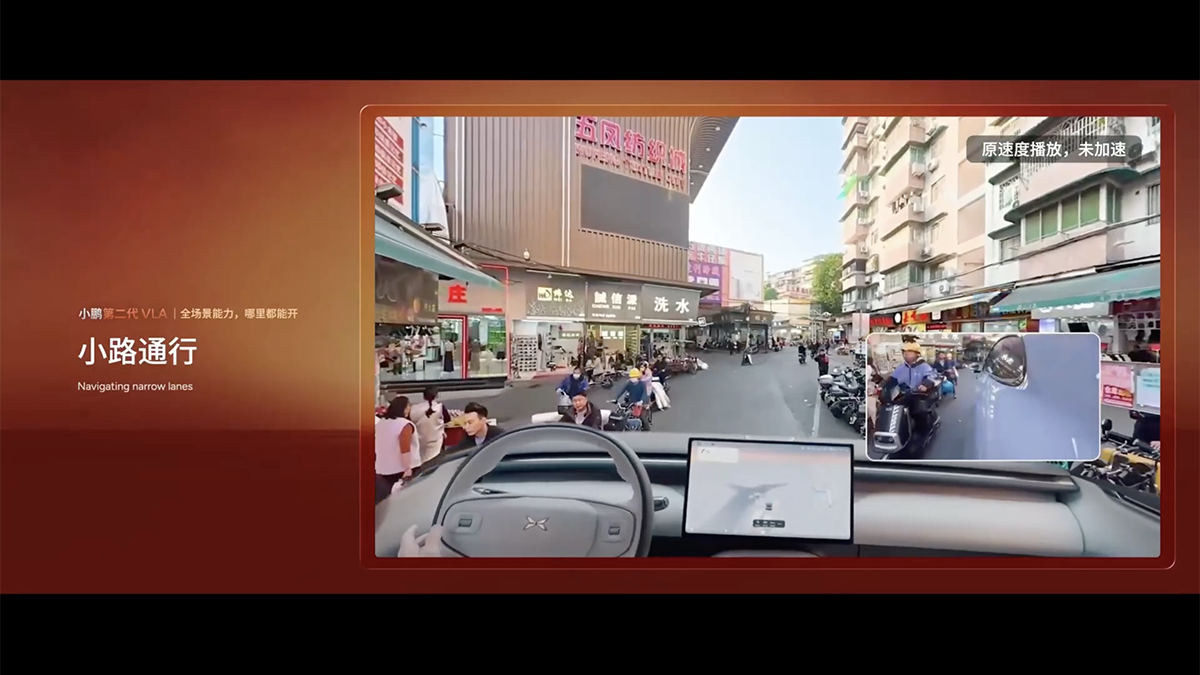
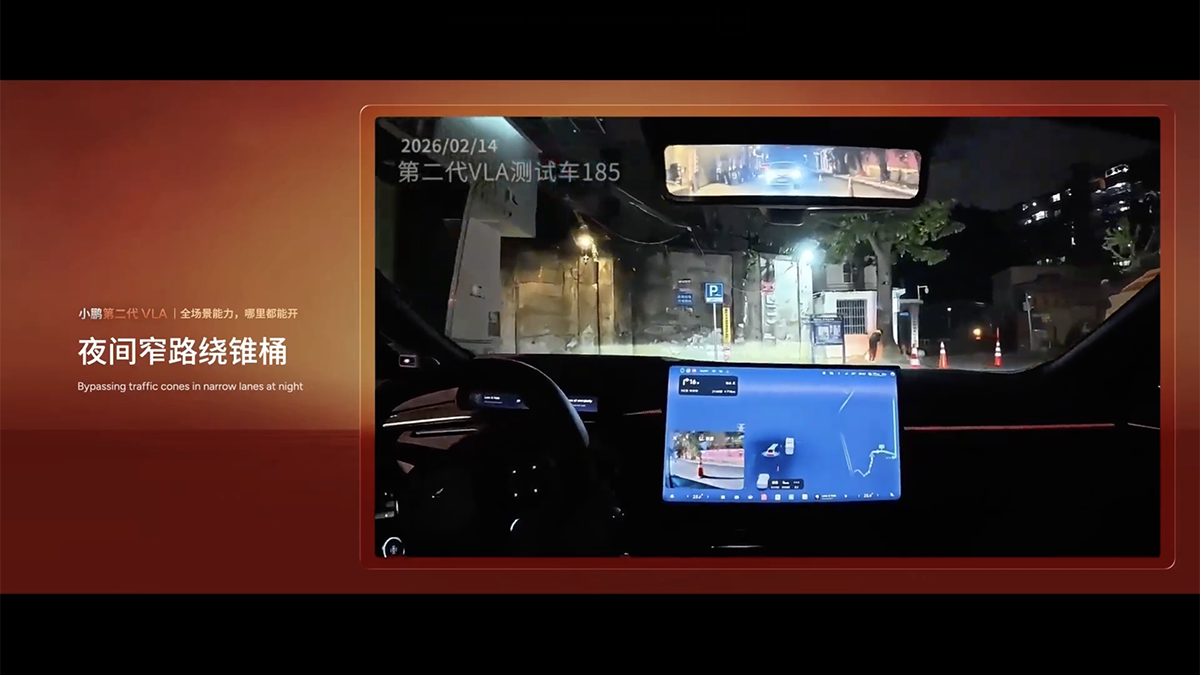
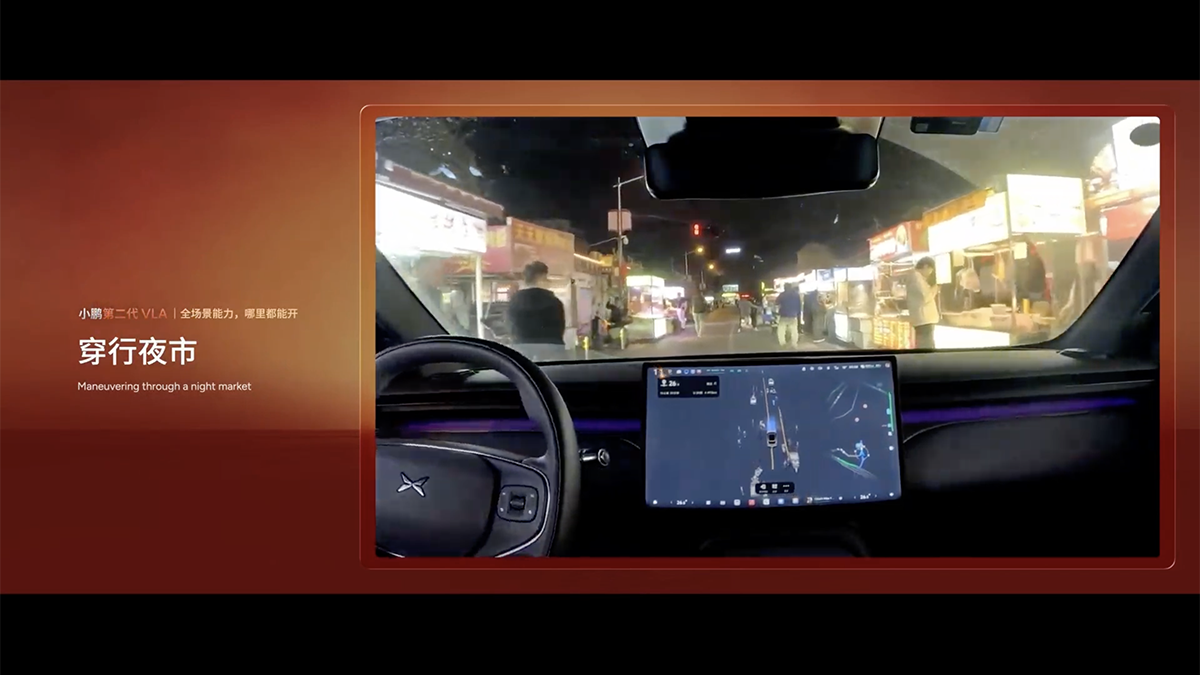
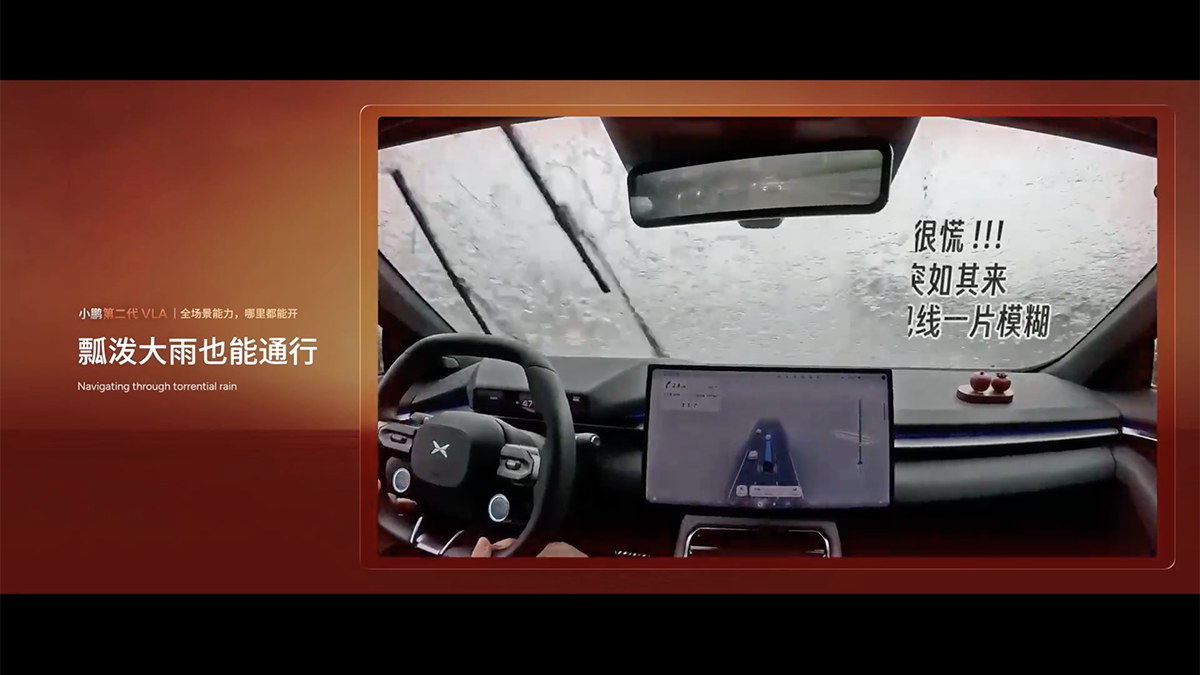
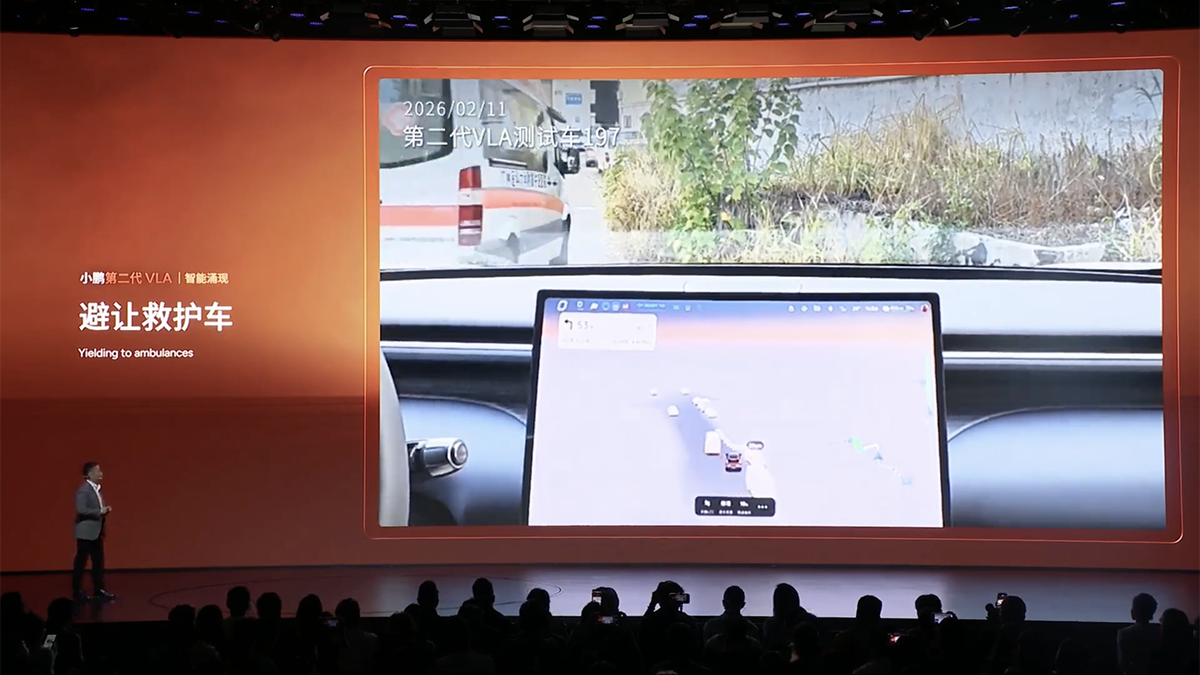
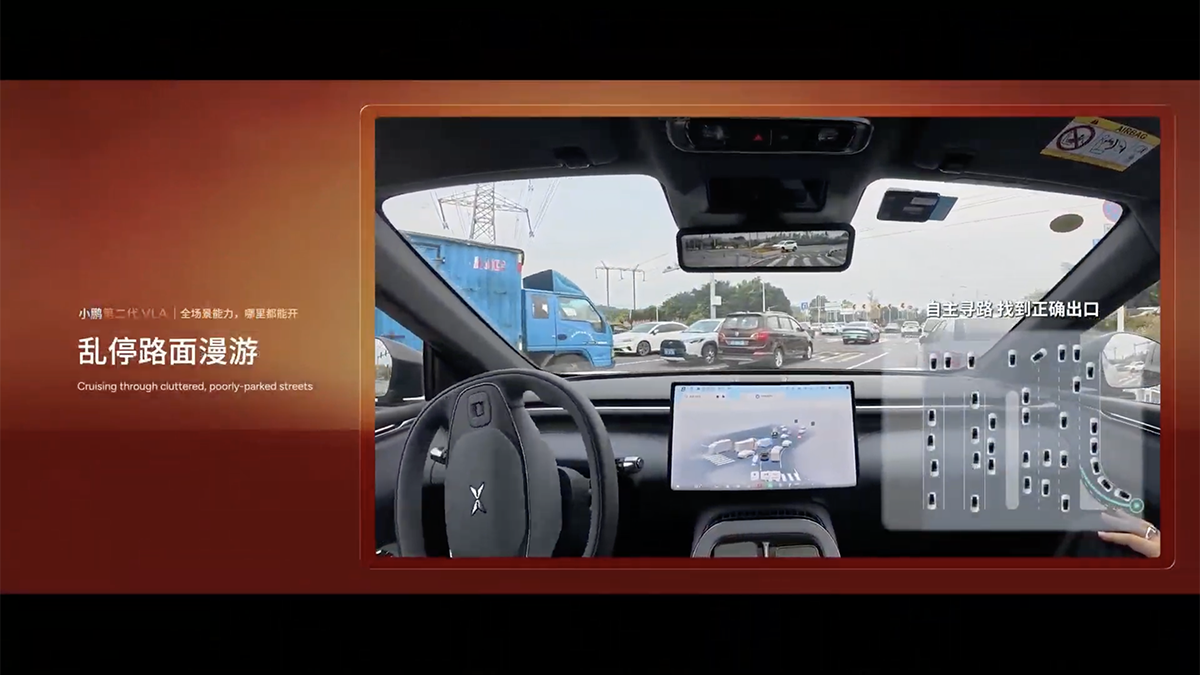
Another aspect that has been presented was ride quality in autonomous driving, and Xpeng said the VLA 2.0 Smart Driving can deliver smooth and comfortable driving. L2 autonomous driving has been recorded to be jerky and not smooth, with sudden acceleration or deceleration. He Xiaopeng also added that the VLA 2.0 Smart Driving can navigate the vehicle through complex roads easily, such as navigating through narrow lanes, avoiding potholes, and road cones. Even passing through a congested night market, navigating through torrential rain, yielding to emergency vehicles, and proactively stopping for DUI checkpoints. All these examples were tested by Xpeng with their VLA 2.0 Smart Driving-equipped Xpeng P7 on public roads in China.
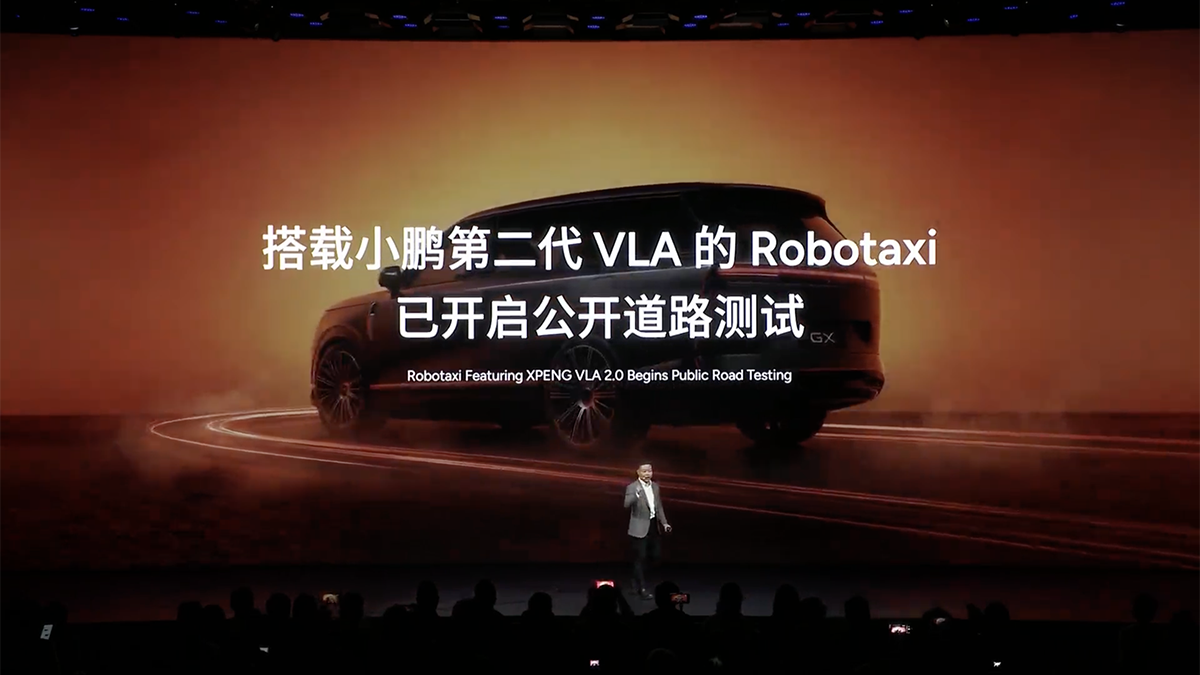
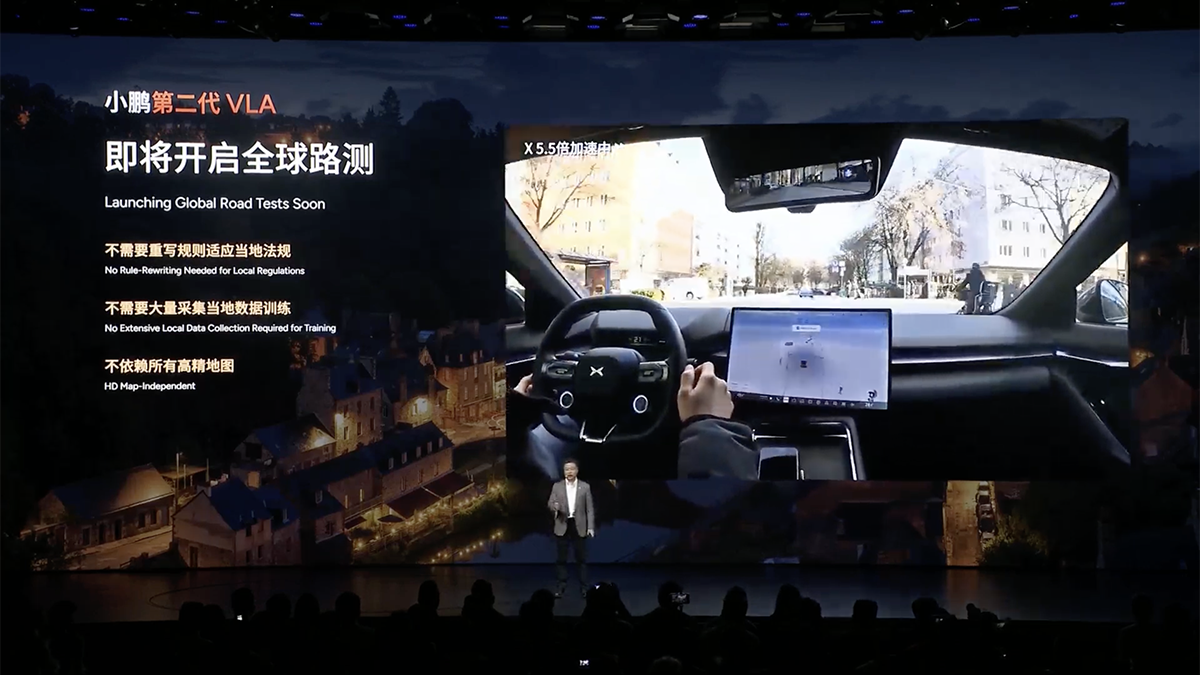
Xpeng announces Robotaxi featuring the VLA 2.0 Smart Driving to begin road testing in China by the end of 2026. Xpeng also launch a global road test soon for the VLA 2.0 smart driving that requires no rule-rewriting needed for local regulations, no extensive local data collection for learning, and no reliance on HD maps.